A impressive wok sits on the heart of a number of kitchens, from bustling restaurant lines to home stovetops. It’s more than a pan - it’s a software that shapes the flavor and texture of food in different techniques. If you’re opening your stir-fry event, you’ve in all likelihood found the controversy: cast iron wok or carbon steel wok? The option isn't really with reference to subculture or rate, but about the way you prepare dinner, what you desire out of your nutrition, and what kind of endurance you've for preservation.
The Wok’s Role in Everyday Cooking
Woks earn their attractiveness by way of versatility. The sloped facets and deep basin motivate tossing, instant stir-frying, deep-frying, steaming, and even smoking food. But the materials - solid iron or carbon metallic - variations how warm strikes, how cuisine browns, and how much attempt you’ll spend money on care.
Early in my cooking days, I picked up a low priced solid iron wok at an Asian industry, charmed by means of its heft and rustic look. Years later, I become talented a carbon metal wok via a chum who swore by means of its responsiveness. Between those two pans, I’ve made the whole thing from fiery Sichuan stir-fries to smooth Cantonese steamed fish. Along the method, I realized that no single wok is best for every person, but working out the alterations supports you desire correctly.
Cast Iron Woks: Substance and Stability
Cast iron woks really feel sturdy within the hand. They tend to be thicker and heavier than their carbon steel siblings, which comes with factual upsides and some drawbacks.
Heat Retention and Even Cooking
Cast iron excels at retaining warmness. Once hot, it remains warm, which is implausible for searing meat or keeping oil at a secure temperature for deep-frying. I’ve used my forged iron wok to cook batches of fried fowl, and the oil bounced back fast after each and every addition, resulting in even browning.
On the turn part, solid iron heats up slowly and responds sluggishly to alterations in burner power. Quick variations - so principal for wok cooking - should be not easy. If you toss in cold greens, the temperature can drop, and the pan takes longer to recover. For recipes that demand turbo, high-warmness stir-frying (feel traditional Cantonese chow a laugh), this prolong can make nutrients steam as opposed to fry.
Durability and Care
One indisputable energy of solid iron is its sturdiness. These woks can closing generations if cared for correctly. I’ve noticed kin heirlooms blackened from decades of use yet still as purposeful as ever. That reported, cast iron is brittle when put next to metallic. Drop it on a demanding ground, and also you menace cracks.
Seasoning is basic. Uncoated forged iron develops a typical nonstick floor through the years, however it needs awareness - thorough drying after washing, occasional oiling, and vigilant protection from rust. A pro cast iron wok resists sticking, but new pans commence tough and want time to accumulate a patina.
Weight and Ergonomics
Cast iron woks are heavy. A standard 14-inch adaptation can weigh six pounds or extra, making one-passed tossing puzzling and even unattainable. For some cooks, incredibly people with wrist or arm matters, this weight becomes an dilemma. If you plan to head your wok promptly from stove to desk or use it for commonplace tossing, take into accounts whether or not you’re blissful with its heft.
Carbon Steel Woks: Speed and Responsiveness
Carbon steel woks have turn into the gold commonplace in Chinese eating places for desirable reasons: they’re pale, speedy to heat, and exceedingly responsive.
Fast Heating and Control
A skinny carbon metallic wok heats up immediately and cools down just as fast. When you switch up the burner, you consider it close to straight away inside the sizzle of aromatics. This responsiveness is integral for stir-fries, where manipulate over warmth makes all the change between crisp-smooth greens and limp ones.

At home, I use carbon metal whilst making dishes like Kung Pao white meat or shrimp with snow peas - recipes the place timing and distinct temperatures topic. The talent to head the wok off and on the flame promptly allows forestall burning garlic or overcooking refined parts.
Seasoning: The Living Surface
Like forged iron, carbon metal woks require seasoning to strengthen a stick-resistant finish. The method is an identical: sparkling completely, warm except smoking scorching, then rub with oil and repeat a few times. The patina begins as golden brown and darkens with use.
Unlike latest nonstick pans, carbon steel’s professional layer improves with every single meal. After just a few months of general cooking, my wok evolved a glittery black sheen that launched even scrambled eggs with minimum sticking. This floor, having said that, needs recognize - harsh scrubbing or acidic meals can strip away seasoning.
Weight and Handling
Carbon metallic woks are broadly speaking mild - a 14-inch mannequin may weigh beneath three kilos. I find tossing and swirling elements a good deal less complicated with these. Many have a single lengthy maintain (“Northern vogue”), which presents leverage for stirring or flipping nutrition with minimum danger of wrist fatigue.
The lightness also potential these woks warmness erratically on vulnerable burners or electric stoves. With gas or high-output induction, nonetheless, they shine.
Comparing Cast Iron and Carbon Steel: Head-to-Head
Let’s seriously look into how these two parts stack up throughout key dimensions:
| Feature | Cast Iron Wok | Carbon Steel Wok | |--------------------|:---------------------------------|:-------------------------------| | Weight | Heavy (routinely 6 lbs+) | Light (ordinarily 2-three lbs) | | Heat Retention | Very prime | Moderate | | Responsiveness | Slow to warmness/cool | Very swift | | Seasoning Needed | Yes | Yes | | Nonstick Ability | Excellent with time | Excellent with time | | Durability | Can final generations | Can ultimate years/decades | | Rust Potential | High if missed | High if left out | | Price Range | $20-$eighty | $20-$60 | | Handle Styles | Two loop handles (“Southern”) | Loop or single long handle |
This table gives you a image, but proper-international event adds nuance. For instance, some trendy cast iron woks come pre-seasoned or with enameled coatings - these face up to rust however don’t increase the related nonstick layer as regular seasoning.
Cooking Techniques: Does Material Change the Food?
The cloth underneath your stir-fry influences every part from taste to texture. In my kitchen tests, I spotted sophisticated adjustments:
Stir-Frying: Carbon metallic wins for sheer pace and keep an eye on. When making beef chow amusing, the carbon metallic wok creates “wok hei” - that elusive smoky taste prized in Chinese cooking - extra quickly because it tolerates prime warm and fast action.
Deep-Frying: Here, solid iron comes into its very own. Its thermal mass retains oil secure between batches. I once made sesame poultry back-to-back in each woks; the cast iron produced extra consistent crusts with much less temperature fluctuation.
Steaming and Smoking: Both parts paintings, however carbon steel’s lighter weight makes lifting off heavy bamboo steamers so much less demanding.
Nonstick Performance: After months of normal use and seasoning, each woks free up delicacies with little attempt. However, acidic dishes (like tomato-situated sauces) can consume into seasoning on each styles, so I evade them unless I’m able to reseason the wok later on.
Maintenance Realities: What It Takes to Keep Each Wok Happy
Woks call for greater care than stainless-steel pans or leading-edge nonstick cookware. Both forged iron and carbon metallic share a few quirks:
- Wash most effective with hot water and a comfortable sponge - cleaning soap can strip seasoning. Dry totally after washing to keep rust. Apply a skinny layer of oil in the past storing. Avoid lengthy soaks or acidic meals until you plan to re-season.
Where they differ: cast iron is even extra sensitive to moisture. Early on, I left my solid iron wok damp in a single day by using coincidence; the next morning, orange rust freckles had bloomed throughout its surface. Lesson discovered: at all times dry with warmness and oil after every wash.
If you would like to lower https://jsbin.com/juniwigeki maintenance, some brands now sell pre-professional or coated woks. These in the reduction of initial effort but can also by no means advance the deep patina of traditional seasoning.
Stove Compatibility: Not Every Wok Fits Every Kitchen
Classic spherical-bottomed woks are designed for strong gas burners with wok jewelry - the kind came across in Chinese restaurants or open air setups. If you could have a flat electrical or induction stove at domestic, flat-bottomed versions exist in both forged iron and carbon metallic.
From my own trials, carbon steel flat-bottomed woks adapt higher to electric or induction stages in view that they sit down flush with the heating issue and don’t take as lengthy to heat up. Cast iron flat-bottomed woks work too however think lumbering on weaker burners as a consequence of their mass.
For gasoline stoves with enough BTUs (ideally 15,000 or above), both category works smartly with a wok ring or direct contact.
Buying Tips: What to Look for in Each Type
With so many manufacturers and price features, how do you make a choice? Here’s a short checklist of what topics so much:
Before You Buy: Essential Considerations
Weight and Feel: Visit a store if doubtless. Pick up each one wok sort to peer what feels gentle in your arms and wrists. Size: For domestic use, 12 to fourteen inches is flexible. Larger sizes are unwieldy until you’re cooking for crowds. Handle Style: Decide among loop handles (proper for oven use or steaming) and lengthy handles (more desirable for tossing and instant stir-fries). Pre-seasoned vs Raw: Beginners would possibly prefer pre-professional woks to bypass the initial seasoning step. Price: Good carbon metallic woks are normally less dear than cast iron and offer greater exceptional at scale down quotes.My Experiences: Learning Through Use
When I first begun cooking Chinese delicacies at homestead, I proposal heavier supposed higher. My forged iron wok seared beautifully but challenged my wrists. After switching to carbon metallic, I enjoyed the freedom to toss ingredients with one hand and modify warmth with any other. However, I still return to my historic solid iron wok for dishes that require regular warmness or longer cooking times.
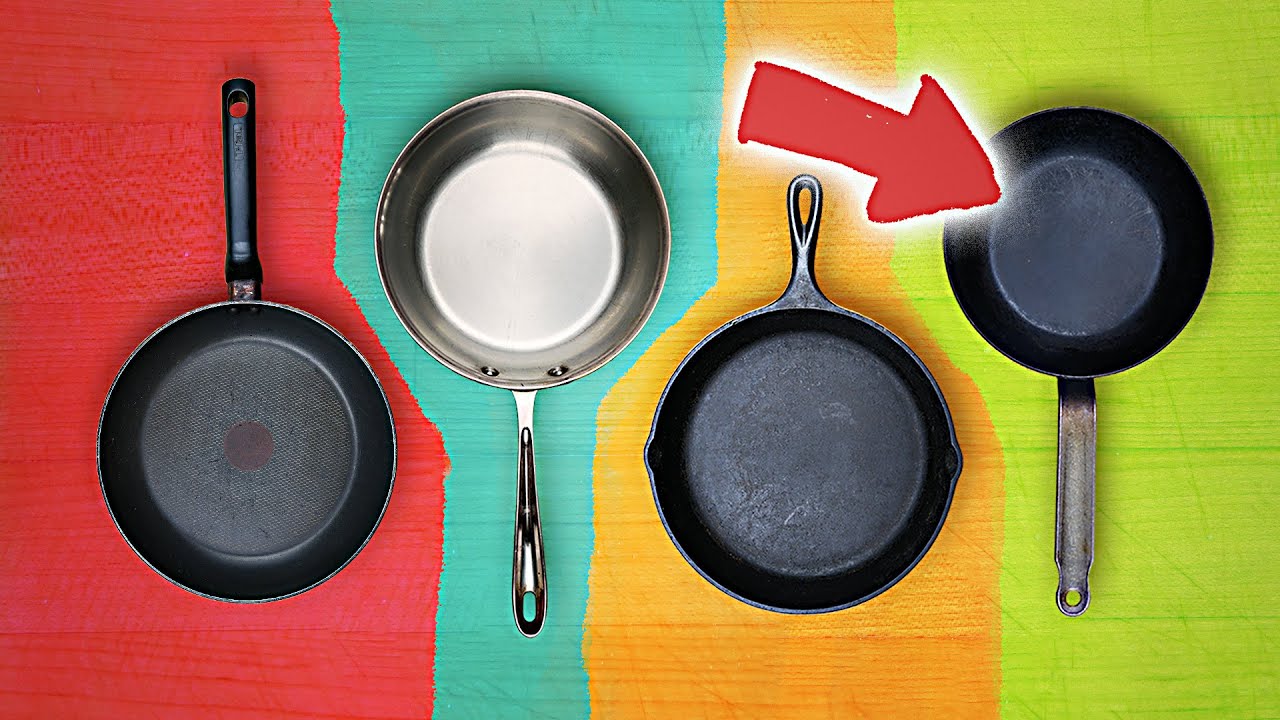
I’ve additionally saw that my carbon steel wok improves with use - after approximately 20 ingredients, it stopped sticking absolutely. The solid iron took longer to modern out however now releases nutrients simply as honestly.
Friends with unique kitchens have suggested numerous reports. One swears through her carbon metal wok on an induction cooktop; every other prefers cast iron for outdoors grilling and campfire cooking way to its resilience.
Which Should You Choose?
There’s no primary solution. Your stove sort, cooking variety, and willingness to protect seasoning all come into play.
If you need immediate stir-fries and crave wok hei, and have a amazing gas burner or induction range, carbon metallic feels like an extension of your hand after a couple of makes use of. If you deep-fry primarily or just like the notion of passing down cookware for your grandchildren, solid iron supplies steadiness and heritage.
Most experienced chefs who love wok cooking come to be proudly owning each - every brings a specific thing diverse to the desk. If you should decide one as a novice, carbon steel is mostly extra forgiving and flexible for day after day use.
Final Thoughts: Start Cooking and Build Your Own Patina
No be counted which cloth you settle on, applying your wok in most cases topics greater than agonizing over the very best possibility. Season it well, cook dinner in the main, and allow it evolve with you. Both forged iron and carbon metallic advantages persistence and exercise - soon satisfactory, you’ll have a wok that tells your very own tale thru each and every meal.
If you’re nonetheless not sure, borrow or deal with both types formerly paying for. Cooking is just not just technology but craft; best revel in shows what feels perfect to your palms and fits your behavior most fulfilling.
Whichever route you take within the forged iron wok vs carbon metallic debate, take pleasure in the technique - your finest ingredients are but to return.