Step into any bustling home kitchen or eating place, and finally the query of cookware resolution comes up. When it comes to woks - the coronary heart and soul of stir-fries, fried rice, and quite a bit more - cooks find themselves making a choice on between cast iron and carbon metal. Both have deep roots in culinary heritage. Both can produce mouthwatering outcome. Yet, their alterations are some distance from trivial.
Having cooked professionally in wok stations and experimented at residence for decades, I actually have obvious firsthand how every one materials shapes no longer just the cuisine, however also the rhythm and consider of cooking. This isn't very quite simply a depend of subculture versus vogue. The possibility among a solid iron wok and a carbon metal one touches on style, strategy, preservation, or even confidential kind in the kitchen.
The Character of Each Material
Cast iron and carbon metallic percentage a positive old-world allure. They both require seasoning - that may be, building up a layer of polymerized oil for policy cover and nonstick residences. They each eschew vivid colorations and man made coatings. Yet they diverge in composition and behavior.
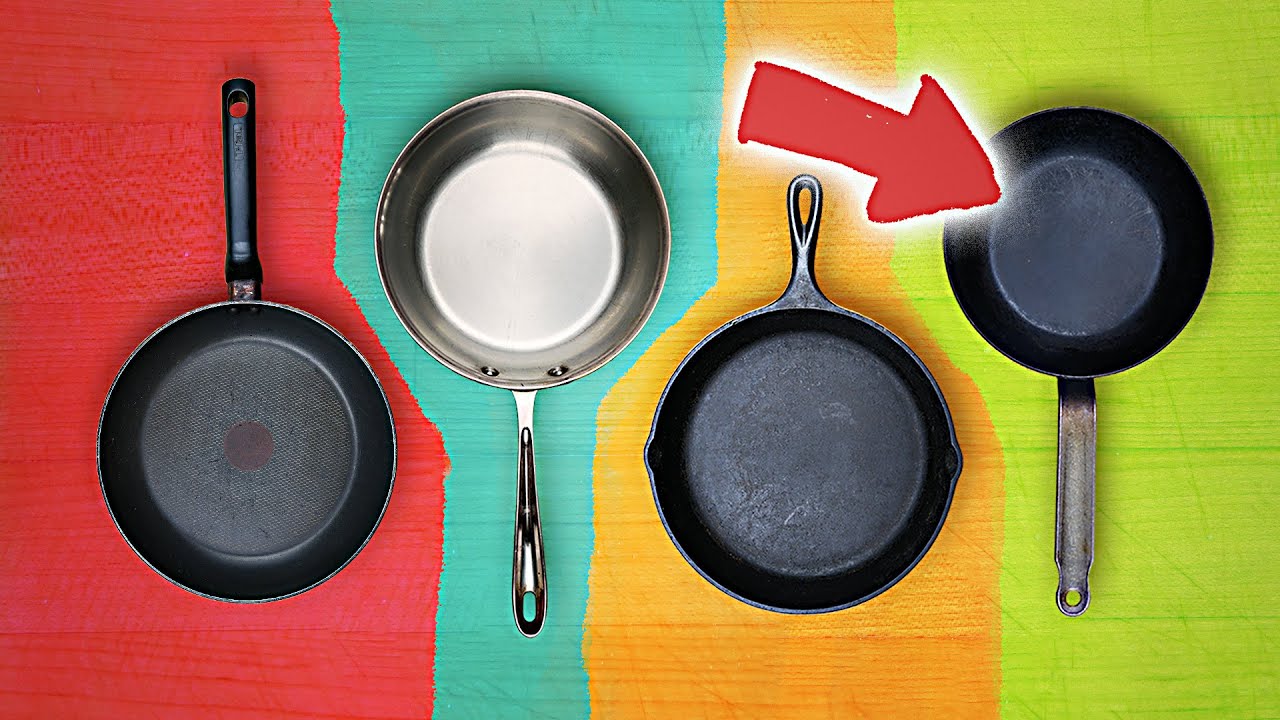
Cast iron is dense and heavy. Traditional Chinese solid iron woks will probably be rather skinny-walled as compared to Western skillets, however however, they preserve warm with obdurate tenacity. Carbon steel is lighter and greater responsive. It heats up instantly and cools down just as fast. The difference isn't always diffused. Slide your hand along every one, and you are able to think it: the silky patina growing on properly-used carbon metal, the granular texture of seasoned solid iron.
A traditional carbon steel wok probably weighs among 2 and 5 kilos for a 14-inch mannequin. Its solid iron counterpart might tip the size in the direction of 7 pounds or extra. For a few chefs, that heft feels reassuring. For others, it potential fatigue after a few minutes of tossing noodles.
Stir-Frying: Speed Versus Stability
The center of wok cooking lies in stir-frying. High heat, speedy stream, and distinct control are standard. Here, carbon metal shines. A amazing carbon metallic wok can cross from room temperature to blazing hot in underneath a minute on a excellent burner. That https://stephenlarv658.image-perth.org/cast-iron-wok-or-carbon-steel-which-should-you-choose-2 quick response is crucial while you choose to sear aromatics or toss veggies so they remain crisp-smooth.
Cast iron’s slower warmth-up time should be would becould very well be a trouble for this trend. However, as soon as it really is scorching, it remains scorching. For dishes that merit from sustained, even heat - feel shallow frying or a frittata-like egg foo younger - cast iron’s thermal mass is an advantage. In busy kitchens with underpowered stoves, that retention can make a change. You can drop in a giant handful of cold materials devoid of shedding your sizzle.
Personal sense: I nevertheless have in mind my first test at pad thai on a forged iron wok. The noodles steamed in place of seared. I realized too past due that my dwelling range surely couldn't muster ample heat for that heavyweight vessel. Swapping to carbon metallic solved it. The change changed into fast: charred edges on tofu, snappy bean sprouts, and now not a hint of sogginess.
Seasoning and Maintenance
Both kinds demand care. Seasoning is not very non-compulsory; it can be critical for performance and durability.
Carbon steel seasons simply. After burning off the manufacturing facility oil and utilising your own layer (flaxseed oil is widespread, regardless that lard or canola work simply as neatly), you would get a thin patina after just several stir-fries. The surface grows slick with use. If you by accident scour through the seasoning, it is straightforward to rebuild. Most chefs comfortably wipe the wok with oil after cleaning and revisit excessive-warmness seasoning every so often.
Cast iron woks enhance seasoning more slowly. The pores in the metallic can seize moisture if you happen to will not be diligent approximately drying and oiling after every use. In humid climates, rust can creep in overnight. On the flip facet, as soon as tested, a forged iron seasoning can stand up to extra abuse: better oven temperatures, deeper scrubbing. There is one thing deeply pleasing about the deep black sheen of an vintage cast iron wok, proof of lots of of nutrients cooked and shared.
One edge case: should you cook acidic dishes (tomato-centered sauces, vinegar-heavy stir-fries), equally constituents can lose a few seasoning. Carbon metal reacts sooner, leaving behind steel flavors if you happen to linger. Cast iron is extra forgiving but nonetheless blessings from immediate cleansing after acidic meals.
Everyday Practicalities: Handling and Storage
A wok seriously is not just a cooking floor. It is a device supposed to be wielded. Here is the place weight and control layout remember. Most carbon steel woks come with a single lengthy manage (the “Northern” taste) or two small loop handles (the “Cantonese” taste). Cast iron woks usally feature the dual handles as a result of their heft. If you intend to toss nutrition with one hand, carbon steel is vastly extra manageable. Even 15 mins into a busy dinner service, my fingers by no means tire with a three-pound carbon metallic wok. Cast iron requires two palms or a effective wrist, highly whilst aiming for the ones dramatic tosses that aerate and sear simultaneously.
Storage is an additional thing. Carbon steel’s lighter build helps you to cling it on a pot rack or slip it into tight spaces. Cast iron’s bulk is additionally unwieldy. Some cooks avert their forged iron wok permanently at the stove as a sort of badge of honor (and as an excuse to exploit it at all times). Neither cloth should still be left rainy or stacked with other pans; moisture is the enemy.
Heat Sources and Versatility
Not every kitchen has a roaring gas burner. In statement, many homestead chefs make do with electric coils or induction hobs. Both kinds of wok is also tailored, yet with caveats. A flat-bottomed carbon steel wok works well on electric powered or induction. Round-bottomed models can wobble dangerously until you use a wok ring, which is able to sap warm from electrical stoves.
Cast iron’s even base makes it greater forgiving on glass-true levels. Its weight ensures full touch with the burner. That observed, maximum induction cooktops have sensors for you to not have an understanding of thinner carbon metal woks unless they make important contact. Cast iron is much less fussy here.
Beyond stir-frying, both woks can address deep-frying, steaming (with a bamboo or steel rack), simmering stews, or even roasting peanuts or coffee beans. The cast iron wok excels at duties where continuous, enveloping warmness is needed. Carbon steel is unbeatable for rapid searing or in case you prefer to substitute temperatures impulsively.
Flavor and Wok Hei
Every cook dinner chasing genuine Chinese flavors has heard of “wok hei” - that elusive breath of the wok. It is a made from excessive warmth, immediate action, and smoky aroma. Carbon steel is aas a rule credited with making this that you can imagine at homestead. Its thin partitions can succeed in temperatures above seven hundred°F in the event that your burner is as much as the undertaking. You can see onions blister virtually straight away, scent garlic caramelize prior to it has a risk to burn.
Cast iron can provide some wok hei within the true arms, specifically with enough preheating. But as it loses heat less at once whilst bloodless materials hit the pan, delicacies may possibly steam other than sear unless you're employed in small batches and give much of time for restoration. In restaurants with mega-BTU burners, cooks normally use forged iron for bigger batch cooking in which consistency issues greater than cut up-2nd searing.
Anecdotally, my very own tries at Cantonese-flavor fried rice tasted dull except I switched to carbon steel. The big difference became now not most in nonstick ability but in that elusive smoky be aware - hard to explain however instantaneously recognizable as soon as you could have tasted it.
Cleaning Up: Myths and Realities
There is a continual fantasy that woks should certainly not be washed with cleaning soap. In truth, moderate soap is wonderful as long as you rinse entirely and dry suddenly. The leading chance is scrubbing away seasoning or letting water linger lengthy adequate to rust both steel.
After stir-frying in carbon steel, I customarily rinse with hot water and wipe dry over low warmth. Occasionally I will use a cushy sponge with a drop of cleaning soap if there is caught-on residue. For forged iron, the system is an identical yet needs extra vigilance about drying; trapped water lower than the seasoning layer can purpose pitting rust overnight.
For equally kinds: by no means soak in a single day. Never run simply by the dishwasher. Never save devoid of oiling gently. These regulation sound strict yet changed into second nature after a number of weeks’ use.
Durability and Longevity
With authentic care, both type can remaining generations. Carbon steel is much less brittle; it may warp lower than excessive warmness or neglect however hardly cracks. Cast iron is robust but can fracture if dropped onto tile or stone flooring. I actually have visible century-old cast iron woks passed down due to families in Guangzhou as heirlooms, their surfaces glassy-glossy from many years of day-by-day foods.
With heavy use (eating place kitchens firing a whole lot of dishes in keeping with night time), carbon metal woks would want exchanging each and every few years owing to thinning or warping. In home kitchens, equally kinds are more commonly lifetime investments.
Cost and Availability
For so much residence cooks in North America or Europe, precise best carbon metallic woks are broadly reachable and comparatively cost effective. Expect to pay wherever from $30 to $70 for a good-made 14-inch version. Cast iron woks are less standard outdoors Asia but will also be found on line or by strong point importers. Prices fluctuate largely: natural hand-hammered Chinese cast iron woks can value $forty to $one hundred or more; Western brands in the main run greater by reason of branding or ending touches.
Some mass-market “cast iron woks” are in fact deep skillets with rounded facets as opposed to excellent woks; these lack the thinness and shape crucial for proper Chinese manner.
When Each Shines: Matching Wok to Task
It is tempting to declare a winner among cast iron and carbon steel. The actuality is greater nuanced. Each excels underneath yes situations.
Here is a instant reference whilst making your possibility:
| Task | Cast Iron Wok | Carbon Steel Wok | |-----------------------------|---------------------------|-------------------------| | High-warmth stir-frying | Serviceable (with time) | Excellent | | Deep-frying | Excellent | Excellent | | Steaming | Very properly | Very amazing | | Simmering/soups | Excellent | Good | | Egg-primarily based dishes | Excellent (with seasoning)| Good | | Tossing delicacies | Difficult (heavy) | Easy | | Use on induction/electric powered | Good (flat base) | Very magnificent (if flat) | | Achieving wok hei | Possible (with persistence) | Best |
This desk simplifies truth a little bit. For example, in the event that your best stove is electric and occasional-powered, cast iron may give you more suitable results by means of retaining warmth longer. If you importance immediate temperature shifts or plan to cook dinner classic Cantonese side road foodstuff at residence, carbon steel will believe like an extension of your hand.
Common Pitfalls and How to Avoid Them
Every cook has made rookie error with woks. Here are 5 useful details (in checklist style for clarity):
Preheat adequately ahead of including oil or foodstuff; equally metals carry out biggest when hot satisfactory to shimmer oil out of the blue. Dry abruptly after washing to save you rust; depart over low warmth for a minute or two. Use satisfactory oil right through preliminary seasonings; skimping ends up in patchy surfaces. Avoid cooking quite acidic foods until eventually seasoning is neatly-built. If rust seems, scrub lightly with metal wool and re-season; do no longer panic.The Personal Factor: How Cooking Feels
In the give up, cookware possibilities are deeply private. Some chefs love the ritual heft and records of forged iron. Others get pleasure from the nimbleness of carbon metallic. For me, carbon metal is my known significant other - easy enough for frantic weeknight dinners but physically powerful satisfactory for birthday celebration-sized fried rice feasts. But while making mapo tofu or simmering a batch of pink-cooked pork belly, I attain for solid iron at any time when.

If you like devices and renovation workouts, forged iron gives a moneymaking tour toward perfection. If you want minimum fuss and optimum speed, carbon metal will save tempo together with your creativity.
Final Thoughts: Which Should You Choose?
There isn't any unmarried optimum solution within the “Cast Iron Wok vs Carbon Steel” debate. The maximum versatile kitchens most commonly have both within arm’s attain. For beginners or these constrained with the aid of budget or garage house, soar with carbon metallic unless you have got a specific intent (akin to electric-basically cooking or a ardour for sluggish braises) to prefer forged iron.
Season your wok with patience and care. Cook most often enough that it in no way gathers mud. Over time, you're going to build now not simply taste however confidence - and perhaps pass down your preferred wok to one other era of enthusiastic cooks.